
Okay, so check this out—I’ve been using a handful of browser-extension wallets for years. Wow! Some of them feel clunky and angry, like they were built by engineers who forgot about people. My instinct said there was room for a wallet that just gets the tiny UX and security details right. Initially I thought Rabby was just another wallet, but then I started testing it across chains and dApps and things changed. It quietly solved a lot of friction points that used to slow me down.
Here’s the thing. Seriously? Most wallets force you to wrestle with gas settings, approvals, and weird nonce issues. Rabby doesn’t make those problems disappear magically, though it does reduce the number of times you have to step in to fix stuff. On one hand it’s still a browser extension—so the same basic risks exist—though actually, the way it surfaces approvals and simulates transactions gave me a much clearer sense of what’s about to happen. My gut feeling is that transparency beats hype every time.
Some quick upfront notes. I’m biased toward tools that help me avoid dumb mistakes. I’m not a lawyer or an oracle. And yes, I keep a hardware wallet for serious stacks. Still—Rabby has features that make day-to-day DeFi feel safer and less annoying. Somethin’ about that is very appealing when gas is moving fast and your patience is not.
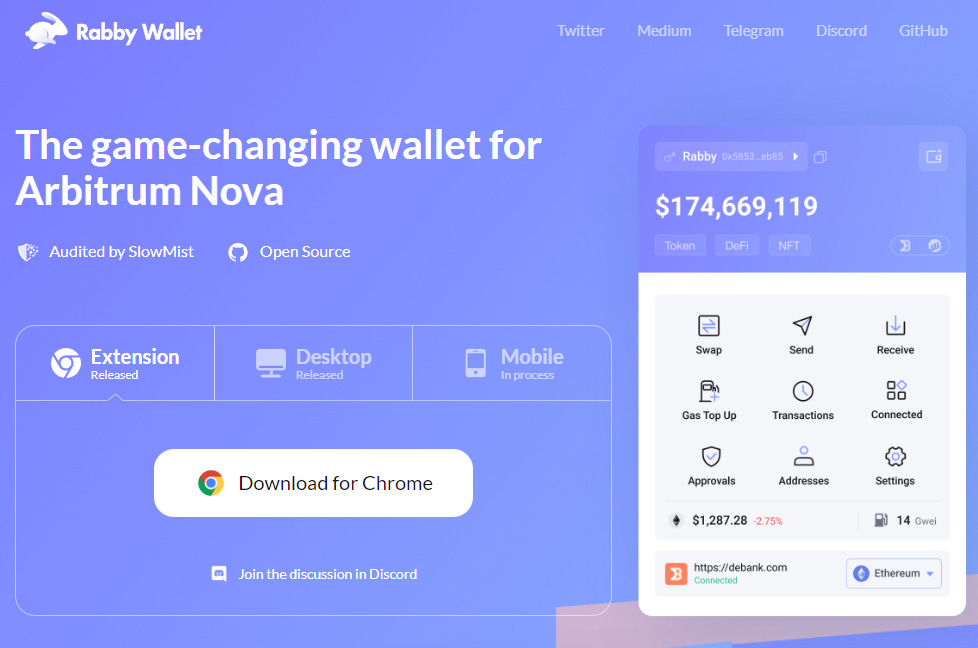
Why it stands out (short list, then a bit more detail)
First—approval management. Wow! Instead of letting endless allowances pile up in the background, Rabby shows you active approvals and makes revocation straightforward. That small UX choice stops a lot of long-term exposure. Next—transaction simulation. My first impression was «nice-to-have», but after a few failed swaps on other wallets, I got serious about simulation. It often predicts failures before you sign, which is a real time saver and money saver.
Another useful thing is gas control and nonce handling. Seriously? These used to be friction points for me. Rabby offers clearer gas presets and easier nonce management for manual control, which is handy when you need to replace a stuck tx. On the subject of hardware wallets—yes, Rabby integrates with Ledger (and others), so you can keep your seed offline and still enjoy the extension’s convenience. I’m not 100% sure about every hardware model, but the main ones are supported.
Finally, multi-account and multi-chain flows feel natural. On one chain I’m trading NFTs; on another I’m staking. Switching contexts used to require a deep breath. Now it’s less painful. Okay, so it’s not perfect—but it trims the edges.
Setup and practical tips (so you don’t make dumb mistakes)
Install the extension. Whoa! Pause. Do it from a verified source. If you want to download Rabby, visit https://sites.google.com/cryptowalletextensionus.com/rabby-wallet-download/ and follow the steps. Create a new wallet only on a machine you trust. Write your seed phrase down on paper. Seriously—paper, not a screenshot, not a notes app. Store that paper in two places if you can.
When connecting to dApps, treat the approval screen like a contract reading. On many wallets you click through. In my experience, Rabby’s UI nudges you to inspect approvals, though you still must decide. Initially I thought the default allowances were fine, but after a couple of risky approvals I started tightening them. Actually, wait—let me rephrase that: start with minimal allowances and increase only when needed. It adds a tiny bit of friction but reduces long-term risk.
Use a hardware wallet for high-value accounts. On the other hand, for day-to-day testing or small trades, a software account is OK. On one hand I want everything air-gapped, though actually that’s impractical for daily ops. Balance is the name of the game.
Advanced flows that make Rabby worth trying
Transaction simulation is one of my favorite features. It gives you a preview of whether a swap will fail or if a contract call will revert. That saved me some gnarly slippage situations. There’s also a built-in approval manager, which means you don’t have to hunt through block explorers to revoke allowances—handy and time-saving.
Nonce management is simple but powerful. If you ever had to replace a stuck transaction, you know the pain. Rabby gives you the option to manage nonces manually, which is a lifeline during congested periods. It’s not for everyone, but if you understand nonce replacement, it’s a relief.
And the extension’s network handling is solid. Adding custom RPCs is straightforward, and switching between Ethereum mainnet, Optimism, Arbitrum, and other EVM chains felt seamless in my testing. I ran a few DeFi sessions that hop between networks and the context stayed intact—not perfect, but reliable enough for regular use.
Security notes—what it’s good for and what to watch
I’ll be honest: no browser extension is as safe as a pure hardware-only workflow. That said, Rabby mitigates many common errors. It highlights contract approvals, simulates transactions, and supports hardware wallet signing so you can keep private keys offline. These are not small conveniences; they materially reduce attack surface when used correctly.
Still, be mindful of phishing. Extensions can be tricked by malicious websites. Always check the domain you’re on before approving anything. If somethin’ smells off, stop. My instinct picked up a fake dApp once—my wallet nearly signed something weird. Fortunately the simulation flagged a risky call and I canceled. That little safety net mattered.
One more thing: backups and account separation. Create separate accounts for savings and daily use. Don’t mix massive sums in the account you use for NFT drops or experimental contracts. It sounds obvious, but it matters. I double-checked my process and it saved me from a sloppy approval I would have otherwise ignored.
FAQ
Is Rabby open-source and auditable?
Yes—Rabby publishes its code and has had third-party reviews. That doesn’t mean it’s immune to bugs, though; open-source simply makes it easier for the community to inspect and catch issues. On balance, transparency here is a plus.
Can I use Rabby with a hardware wallet?
Absolutely. It supports common hardware wallets so you can keep your keys offline and still use Rabby’s UX. I connect my Ledger for larger trades and use a software account for small test transactions—works well for me.
Should I switch from my current wallet?
Maybe. If you value clearer approval control, transaction simulation, and better nonce handling, then it’s worth trying Rabby alongside your existing wallet for a few sessions. Don’t migrate everything at once. Try it out, then decide.
Okay—wrapping up my thoughts (but not a neat little bow, because life is messy). Something about Rabby feels pragmatic. It doesn’t scream flashy marketing. It quietly improves the small, repetitive decisions that cause most losses and headaches in DeFi. On one hand it’s still a browser extension with the usual limitations. On the other, its features nudge you toward safer behavior, which is very very valuable when markets move fast and mistakes compound.
I’m biased toward tools that respect the user’s time and attention. This part bugs me about many wallets: they demand constant firefighting. Rabby reduces that noise. Try it on a testnet or with a small balance first. If you like cleaner approvals and fewer surprise failures, it’s worth keeping in your toolkit.